
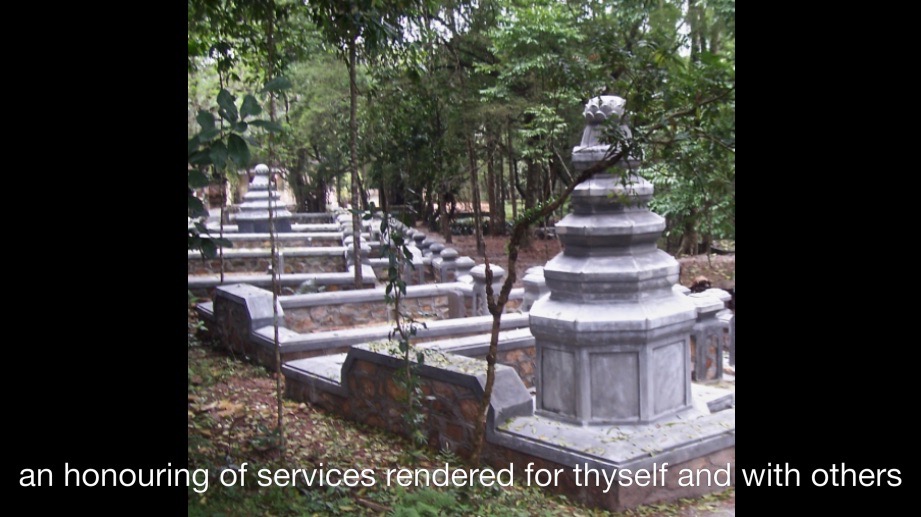
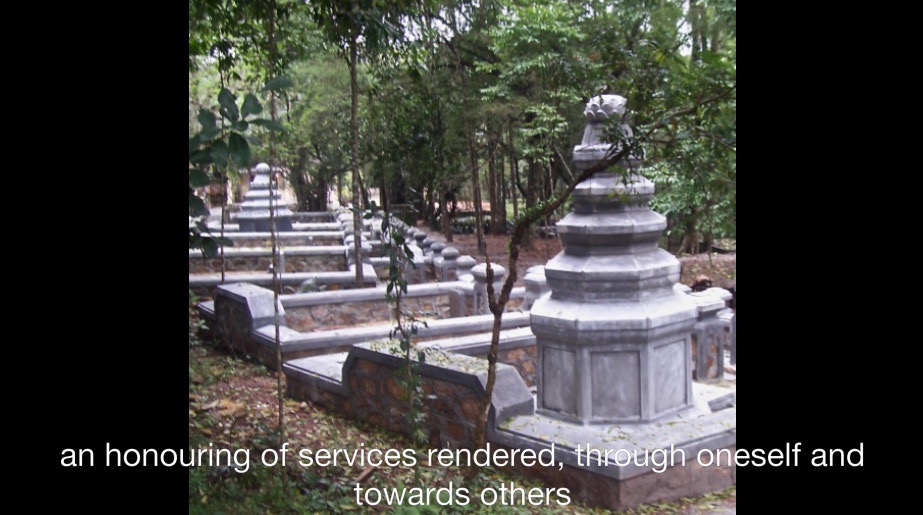
Tu Hieu was established in 1842 and by 1848 had been directed to dedicate itself to the honouring of the souls of imperial eunuchs. Eunuchs are buried in the graveyard beside the pagoda. From:
https://www.rustycompass.com/vietnam-travel-guide-233/hue-8/see-and-do-14/tu-hieu-pagoda-hue-6#.Wi_ZWrZ7GCQ
According to legend, the temple was originally just a tiny shrine. Until mid-19th century it was expanded into a large temple by some eunuchs, with the hope that it would be their resting place later. http://english.vietnamnet.vn/fms/travel/96922/the-unique-cemetery-for-eunuchs-in-hue.html
I am not surprised to read that Thay’s ‘root’ pagoda in Hue, Viet Nam, is the resting place for the eunuchs (castrated males and hermaphrodites/of both male and female genitalia) who were part of the imperial palace until the early 20th century -ancestral interconnectedness combined with humane intelligence that honours difference and diversity, and continues through to the present day in terms of Thay’s position on homosexuality -‘mindful intelligence’ as a basis for social justice! Q. What is the Buddhist view of homosexuality? A. The spirit of Buddhism is inclusiveness. Looking deeply into the nature of a cloud, we see the cosmos. A flower is a flower, but if we look deeply into it, we see the cosmos. Everything has a place. The base-the foundation of everything-is the same. When you look at the ocean, you see different kinds of waves, many sizes and shapes, but all the waves have water as their foundation and substance. If you are born gay or lesbian, your ground of being in the same as mine. We are different, but we share the same ground of being. The Protestant theologian Paul Tillich said that God is the ground of being. You should be yourself. If God has created me as a rose, then I should accept myself as a rose. If you are a lesbian, then be a lesbian. Looking deeply into your nature, you will see yourself as you truly are. You will be able to touch the ground of your being and find peace.
If you’re a victim of discrimination, then your way to emancipation is not simply by crying out against injustice. Injustice cannot be repaired by recognition alone, but by your capacity to touch the ground of your being. Discrimination, intolerance, and suppression stem from lack of knowledge and lack of understanding. If you’re capable of touching the ground of your being, you can be released from the suffering that has been created in you through discrimination and oppression.
Someone who discriminates against you, because of your race or the color of your skin or your sexual orientation, is ignorant. He doesn’t know his own ground of being. He doesn’t realize that we all share the same ground of being; that is why he can discriminate against you.
Someone who discriminates against others and causes them to suffer is someone who is not happy with himself. Once you’ve touched the depth and the nature of your ground of being, you’ll be equipped with the kind of understanding that can give rise to compassion and tolerance, and you will be capable of forgiving even those who discriminate against you. Don’t believe that relief or justice will come through society alone. True emancipation lies in your capacity to look deeply.
When you suffer because of discrimination, there’s always an urge to speak out. But even if you spend a thousand years speaking out, your suffering won’t be relieved. Only through deep understanding and liberation from ignorance can you be liberated from your suffering.
When you break through to the truth, compassion springs up like a stream of water. With that compassion, you can embrace even the people who have persecuted you. When you’re motivated by desire to help those who are victims of ignorance, only then are you free from your suffering and feelings of violation. Don’t wait for things to change around you. You have to practice liberating yourself. Then you will be equipped with the power of compassion and understanding, the only kind of power that can help transform an environment full of injustice and discrimination. You have to become such a person-one who can embody tolerance, understanding, and compassion. You transform yourself into an instrument for social change and change in the collective consciousness of mankind.
Thich Nhat Hanh, Answers from the Heart: Practical Responses To Life’s Burning Questions (Berkeley: Parallax Press, 2009), 119-122. Salvatore Sapienza, Gay is a Gift (Tregatti Press, 2009)


“Poetic Photography, Tu Hieu (An Duong) Pagoda, Hue, Viet Nam” (Thich Nhat Hanh’s original ‘root’ pagoda) (January 2019)

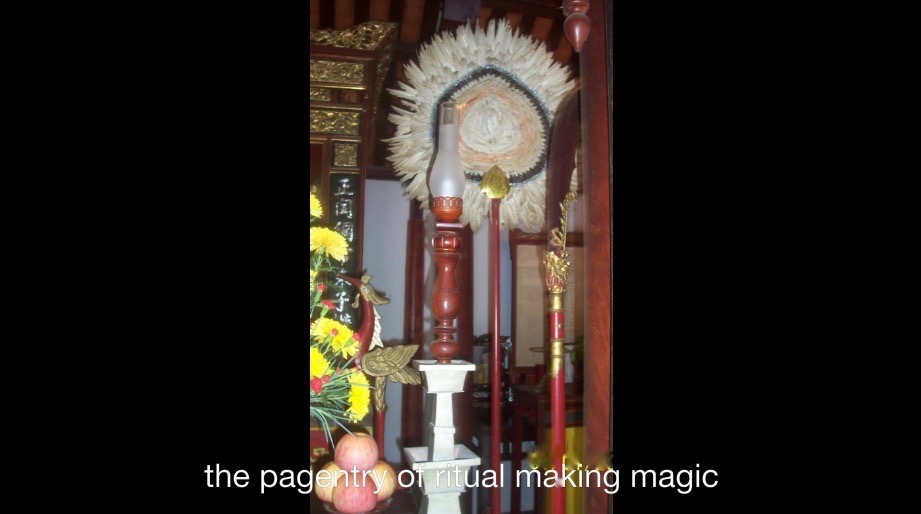

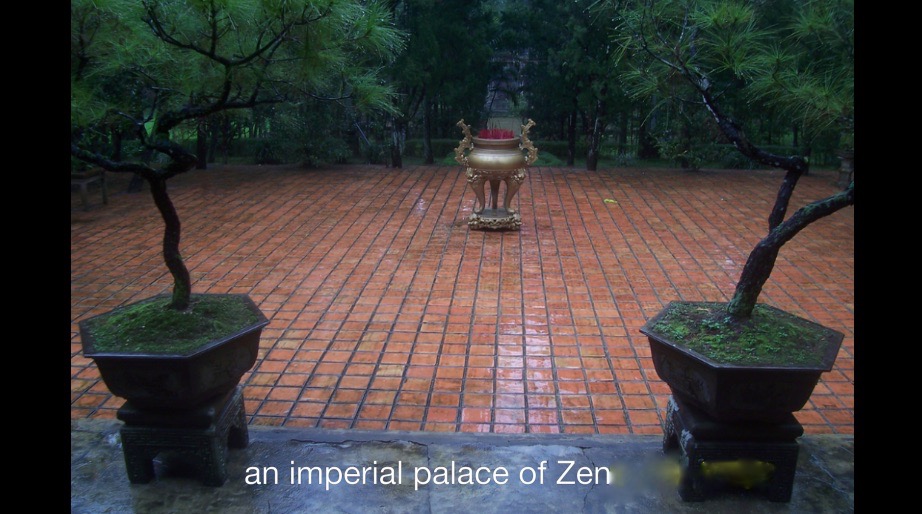
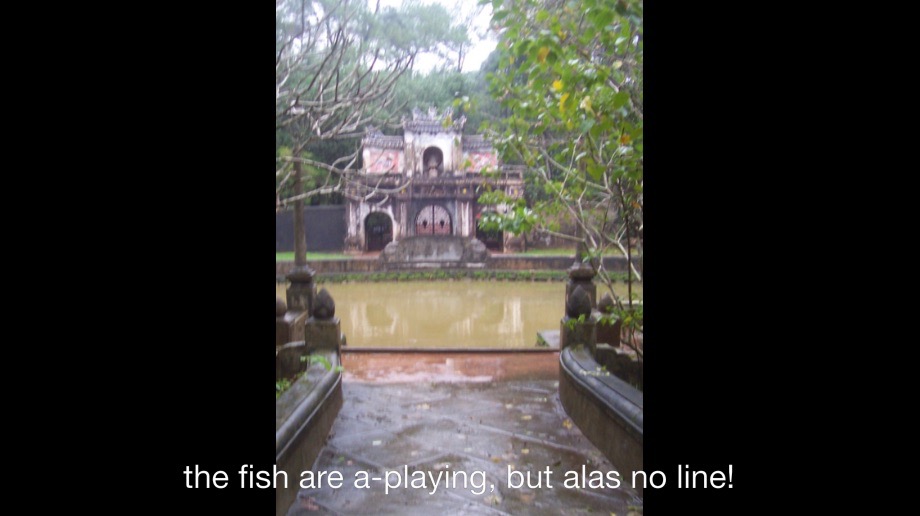
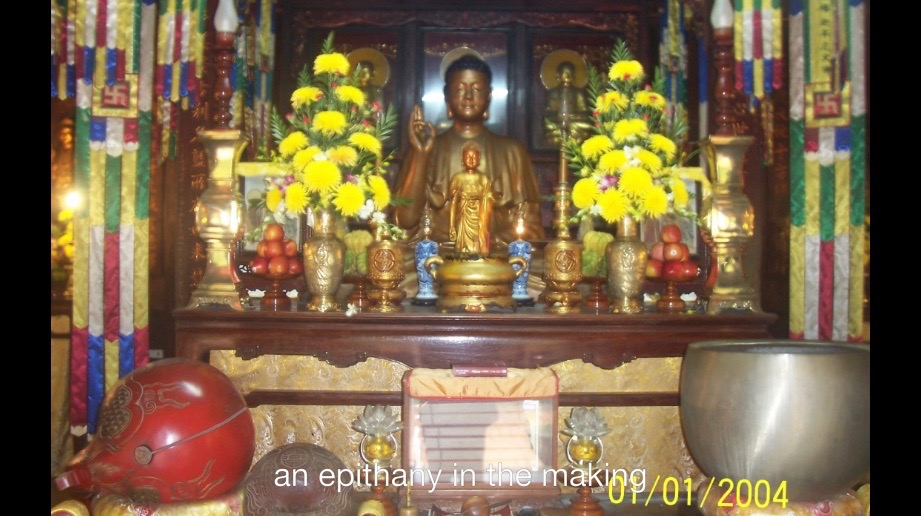


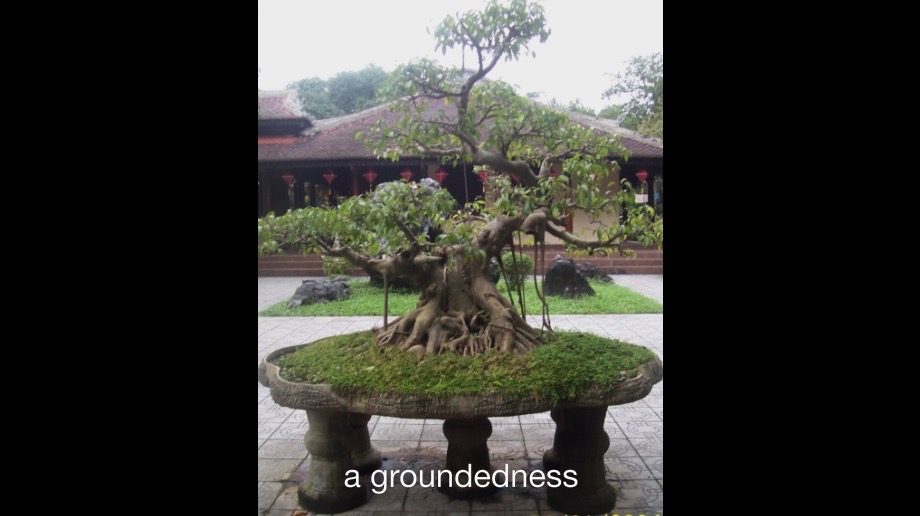
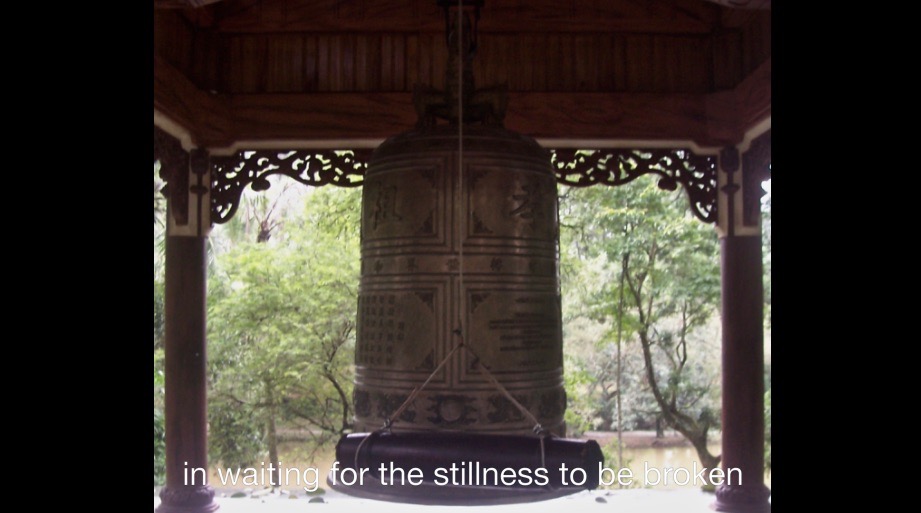
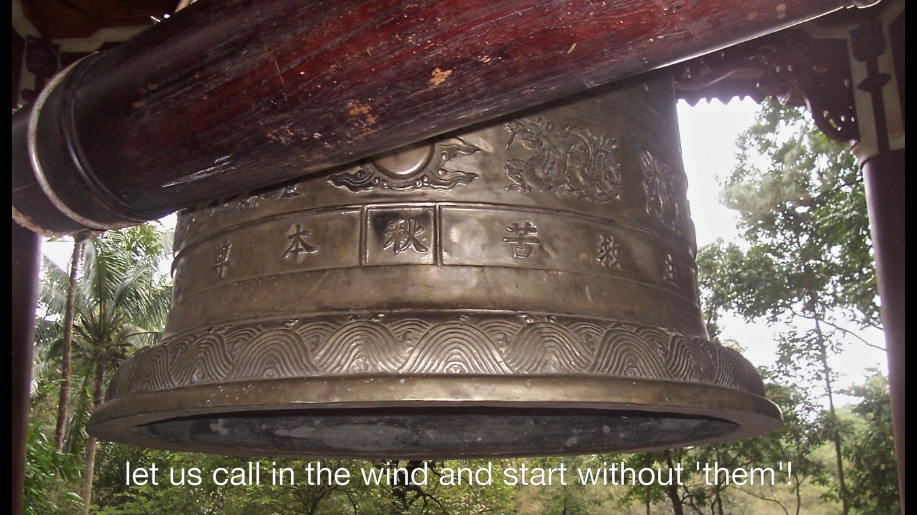
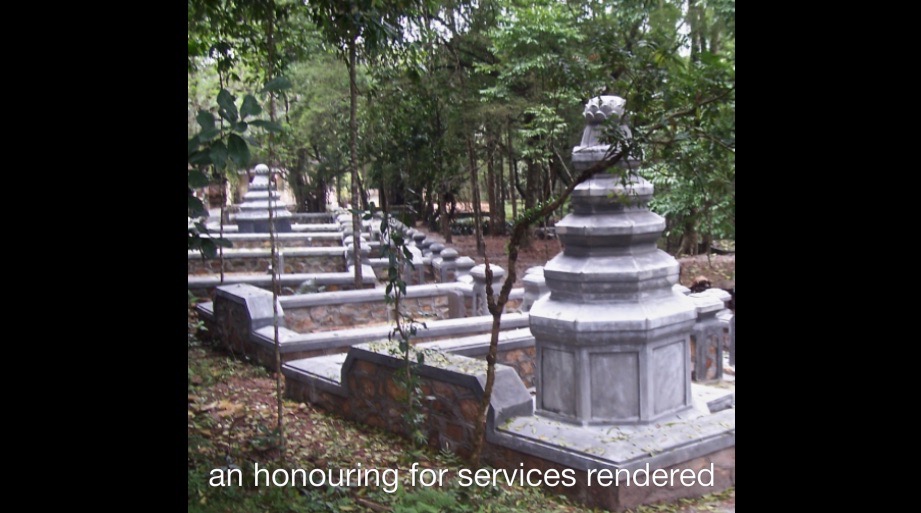
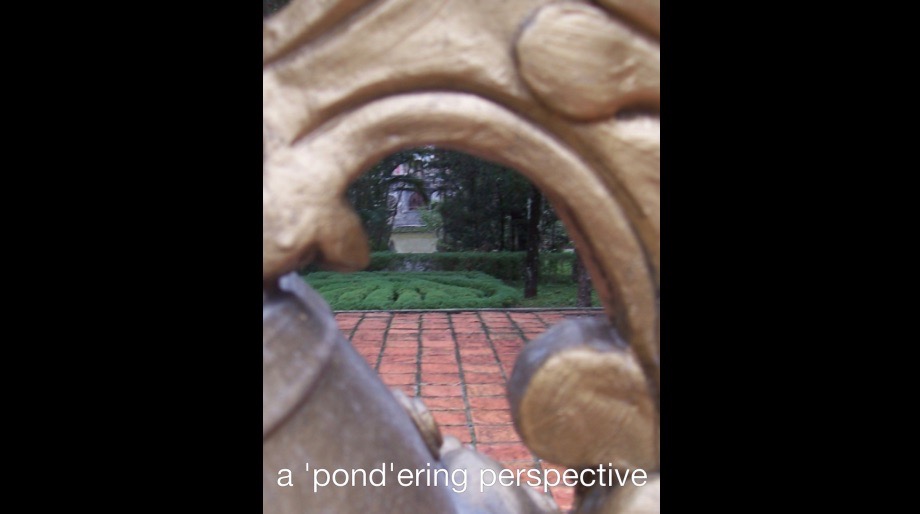
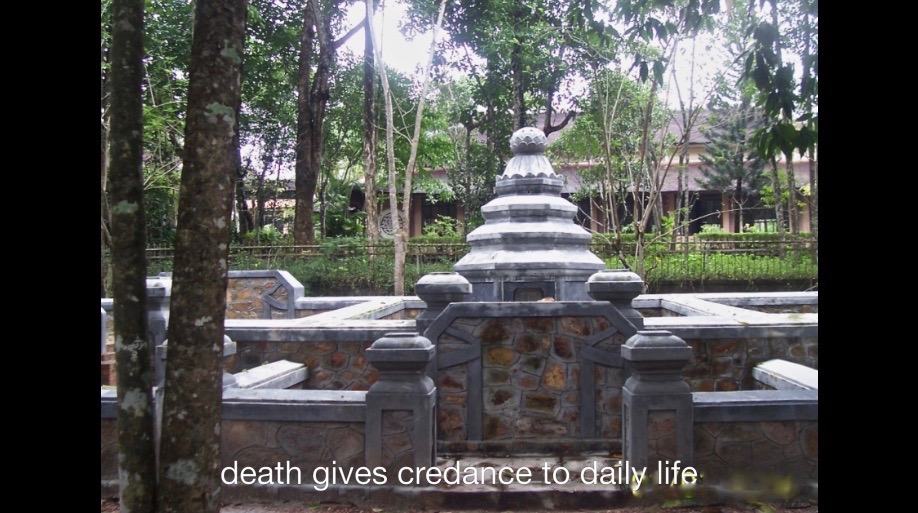
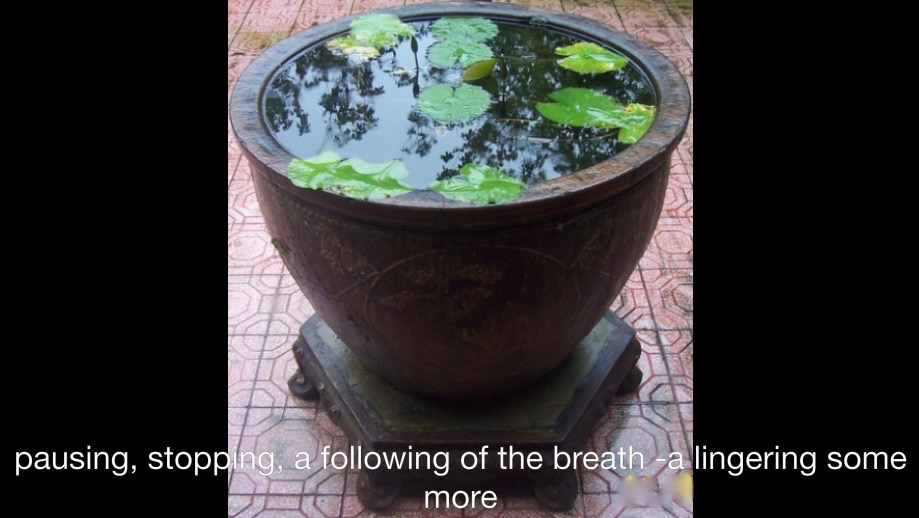
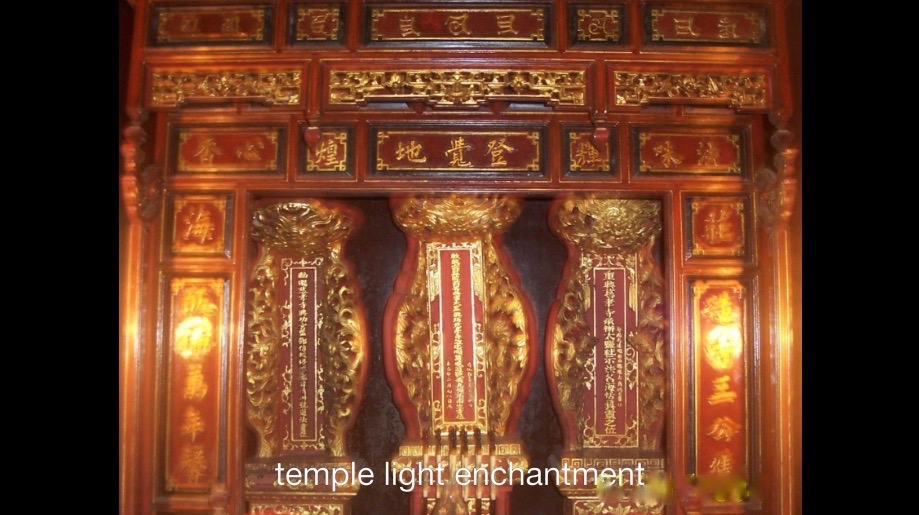


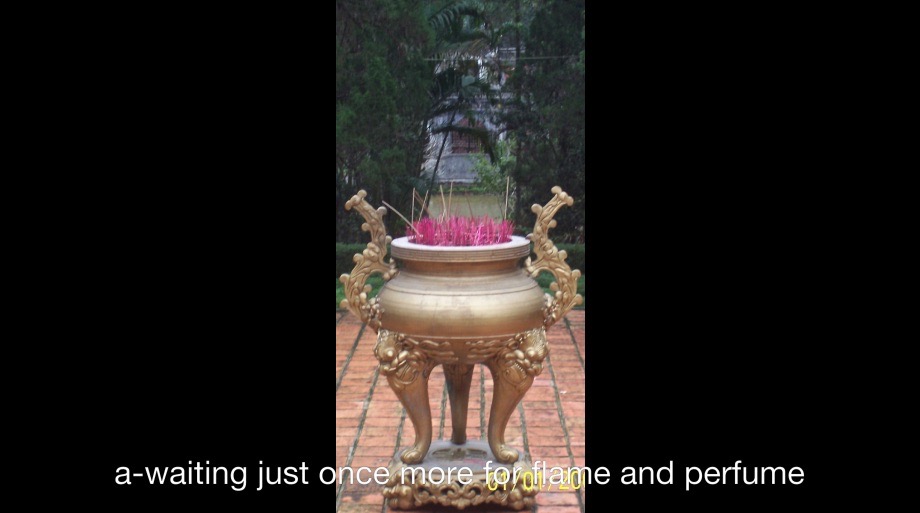
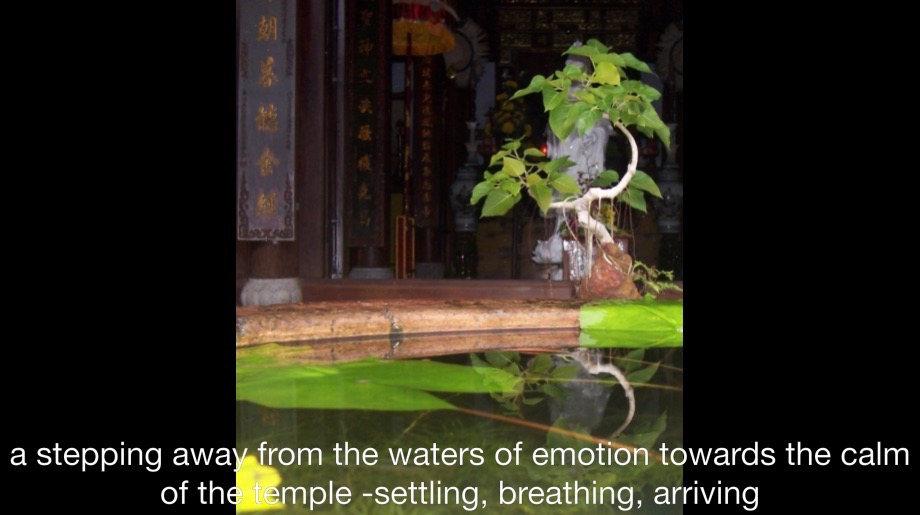
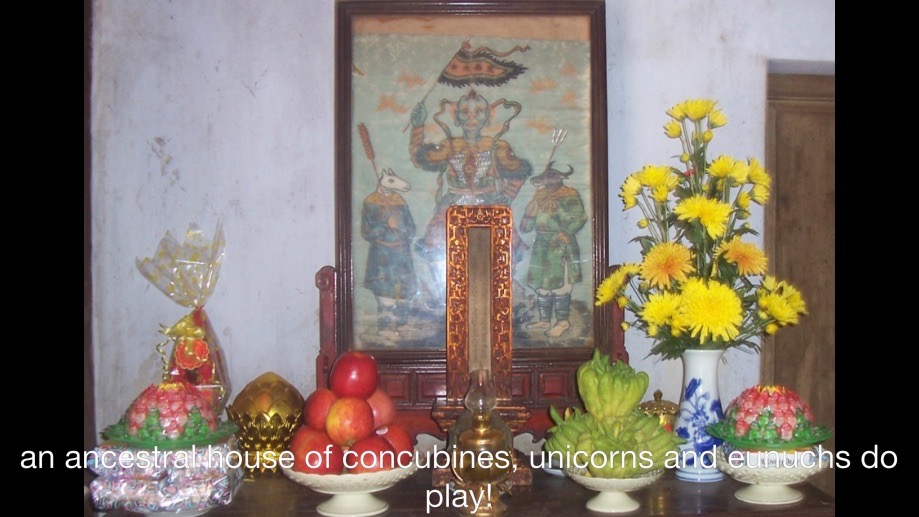




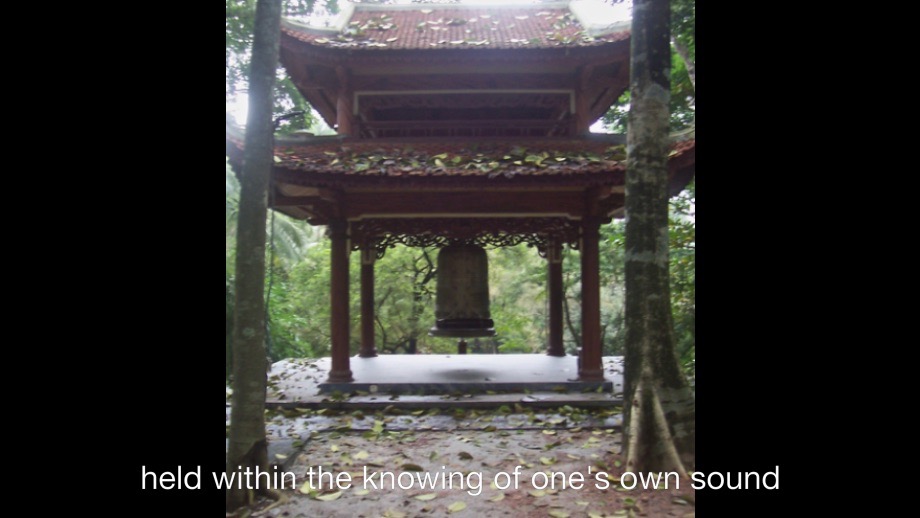


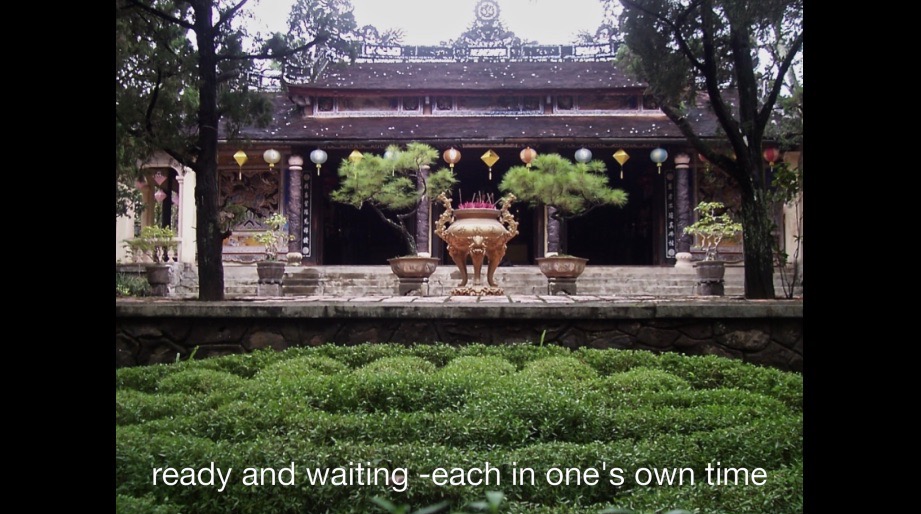
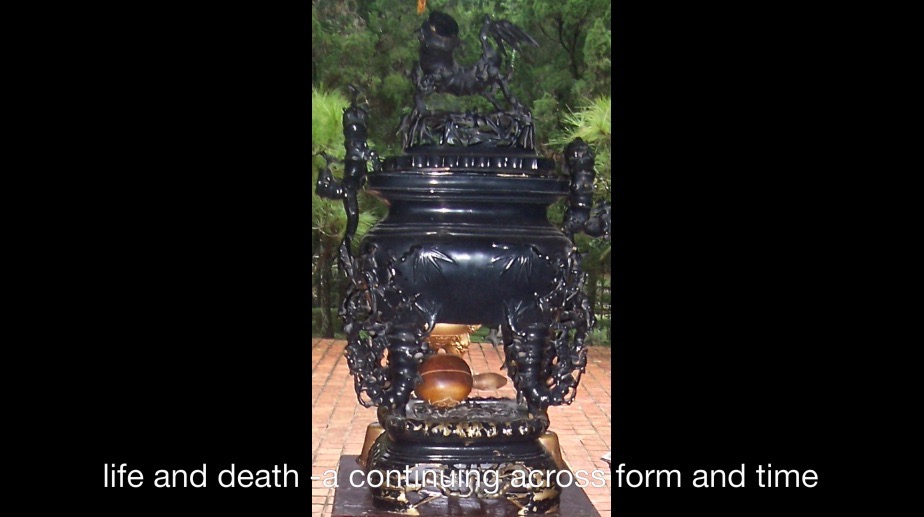

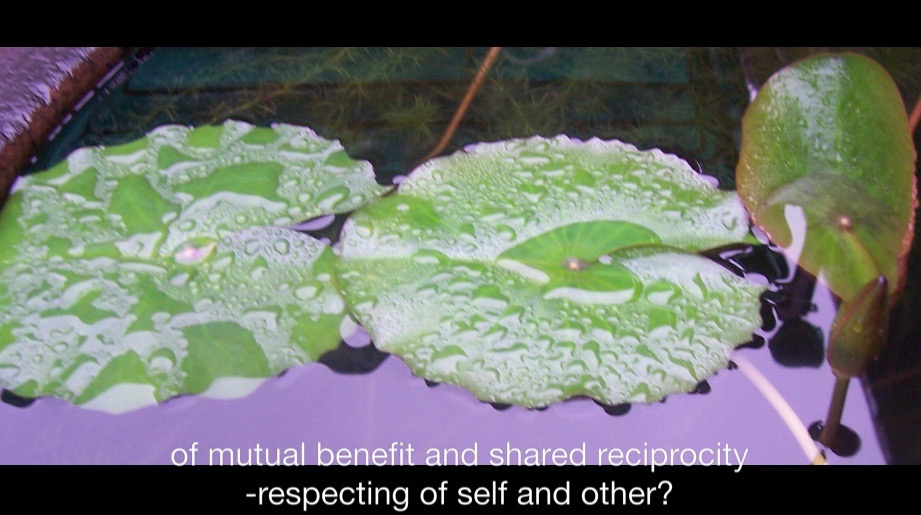
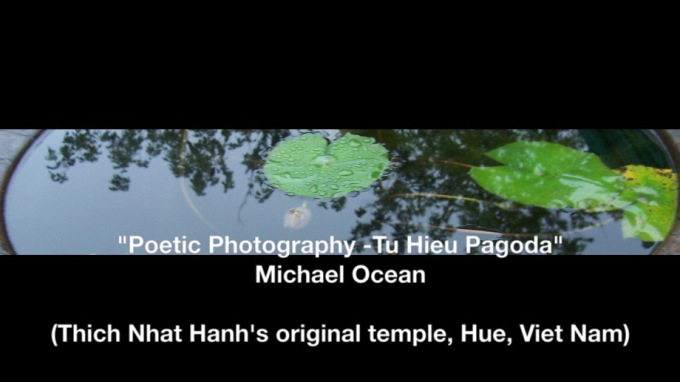
Tu Hieu Pagoda’s convenient and picturesque location amidst pine forests nearby Tu Duc’s Tomb makes it a worthwhile stop. It’s one of Hue’s most atmospheric pagodas on account of its tranquil setting. Some interesting tales spring from its past as well.
Tu Hieu was established in 1842 and by 1848 had been directed to dedicate itself to the honouring of the souls of imperial eunuchs. Eunuchs are buried in the graveyard beside the pagoda.
Tu Hieu’s biggest claim to fame though is its connection with one of international Buddhism’s leading lights – Thich Nhat Hanh. Thich Nhat Hanh entered Tu Hieu Pagoda in the 1940s aged 16. By the 1960s he was one of the most active Buddhist voices on the world stage. He studied at Princeton University and taught at Columbia. He also lobbied the US Government to withdraw its forces from Vietnam. Martin Luther King was deeply impressed by Nhat Hanh and recommended him for a Nobel Peace Prize. Perhaps the greatest validation of his integrity was his ostracism by both the South Vietnamese government and then the Communists after 1975.
He has lived in exile in France since the 1960s and returned to Vietnam for the first time in decades in 2005. He has made a number of visits since then. The Vietnamese government has relaxed its attitude towards Nhat Hanh somewhat but his visits continue to be politically sensitive. On his 2005 inaugural return, he visited Tu Hieu Pagoda.
From:
https://www.rustycompass.com/vietnam-travel-guide-233/hue-8/see-and-do-14/tu-hieu-pagoda-hue-6#.Wi_ZWrZ7GCQ
Tombs of eunuchs.
With hundreds of big and small temples scattered throughout the area, spiritual tourism has become an indispensable part in the exploration of Hue.
While the pagodas of Thien Mu, Bao Quoc and Huyen Khong have gradually been familiar to visitors, Tu Hieu Pagoda attracts visitors with its own beauty and thrilling and fascinating stories.
According to legend, the temple was originally just a tiny shrine. Until mid-19th century it was expanded into a large temple by some eunuchs, with the hope that it would be their resting place later.
Tu Hieu is located among the immense pine forest belongs to the range of Duong Xuan mountain, Thuy Xuan commune, Hue city. The pagoda was established in 1842, initiatively, it had the name ‘An Duong’. In 1843, Nhat Dinh found this place and built it to become big pagoda.
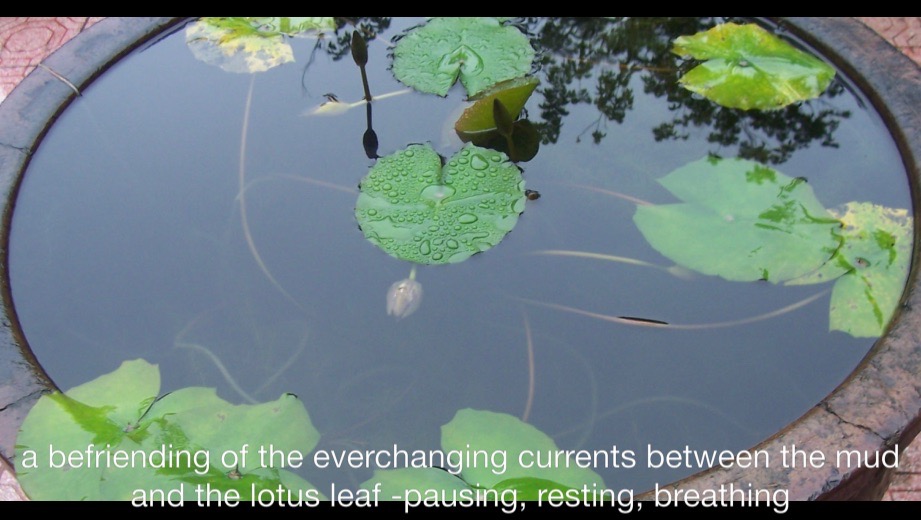
A lake in Tu Hieu Pagoda.
In front of the pagoda, there worship Buddhism, behind the pagoda worship ancient. The entrance was built with dome and had the two colossal statues guarding the main gate of a pagoda. Besides, there has a lotus lake.
Two sides have stone stele to record the process of building this pagoda. In 1984, superior Buddhist monk, Cuong Ky continued repairing an designing whole pagoda with the help of Thanh Thai King and a numerous Buddhist.
In 1931, superior Buddhist monk, Hue Minh continued renewing and building semi-circle lake. In 1962, superior Buddhist monk, Chon Thiet continued repairing it again. This is one of the most ancient pagodas in Hue.
From building to renewing pagoda, it means preserve moral principles for descendants, especially, Tu Hieu pagoda is the place that people can throw away all difficult things in the life. Therefore, Tu Hieu pagoda and the meaning of two words “Tu Hieu” which Tu Duc named, it not only worshiped Buddhism but also is the famous landscape o Than Kinh area. This place makes we consider about our parent.
According to custom, every year on the full moon of the 11th lunar month, Tu Hieu Pagoda organizes a anniversary to commemorate the dead, including the Nguyen Dynasty’s eunuchs.
http://english.vietnamnet.vn/fms/travel/96922/the-unique-cemetery-for-eunuchs-in-hue.html
Statues of the Cham People of the Champa Civilization -My Son, Quang Nam, Viet Nam (July 2017)


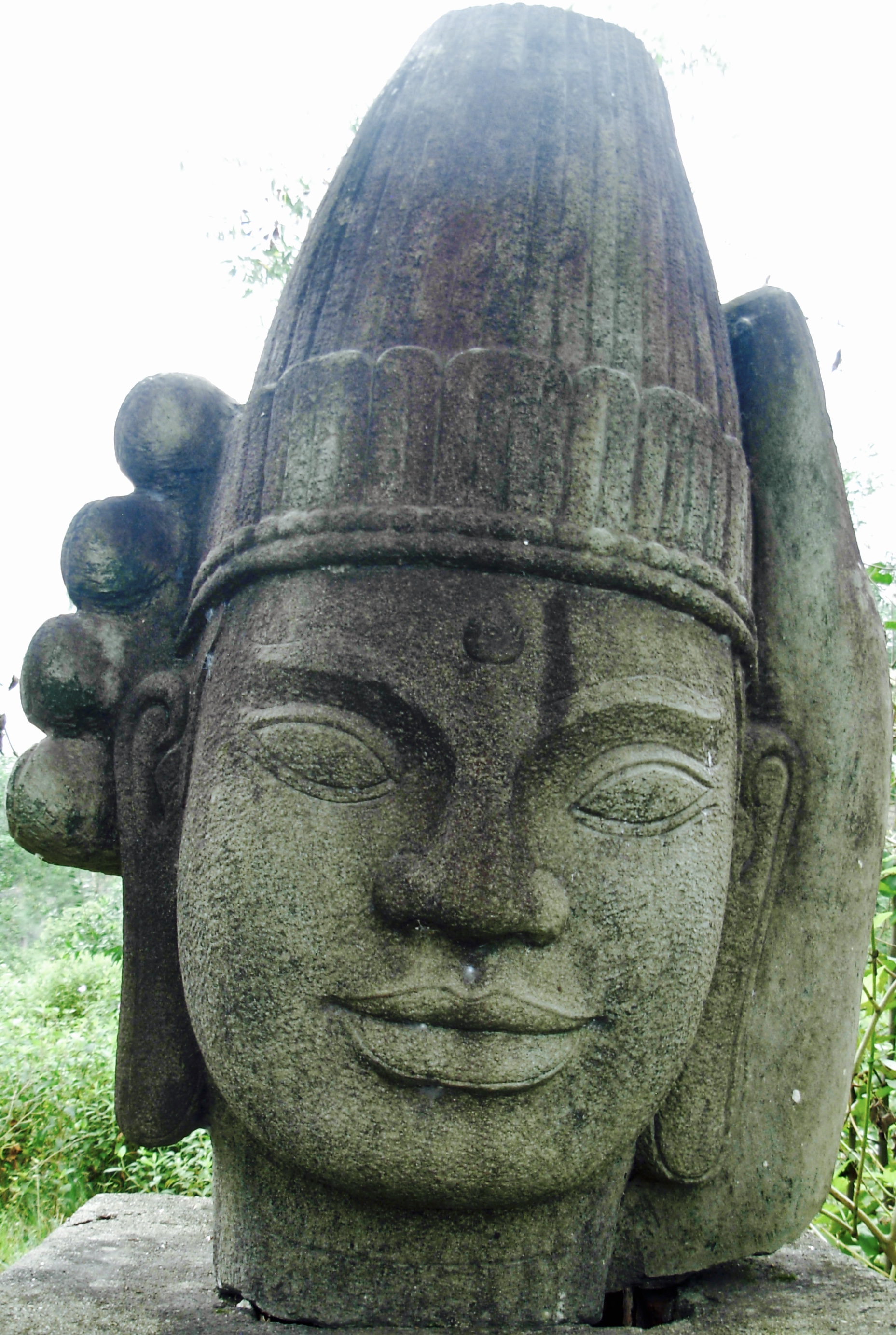


“SACREDRainbowing -Long Tuyen Pagoda, The Pagoda of a Thousand Hands and Eyes (Avalokitesvara), Hoi An, Viet Nam” (July 2016)

Avalokitesvara (Tibetan: Chenrezi/Chenrezig) Bodhisattva of Glancing Eyes.
Avalokitesvara is the embodiment of the compassion of all of the Buddhas and is regarded by the Tibetan people as the guardian of the country. Avalokitesvara is most often depicted white in color but sometimes red, symbolizing his passionate concern for beings. He is one of the eight Bodhisattvas and one of the two chief Bodhisattvas of Amitaba. He is one of the Three Protectors of Beings, that of the Padma or Lotus family. Through his sharing of mankind’s misery, he positions himself to help those in distress and is considered a savior. In a sitting position, he is most often seen in two-armed and four-armed embodiments. In his two-armed form, he usually sits in the full lotus posture. The two arms represent his unfailing skillful means and wisdom. His four-armed form, sitting in the full lotus posture represents the four boundless qualities of a bodhisattva: equanimity, love, compassion and joy. His thousand-armed form is depicted standing and has eleven heads with three levels diminishing in size as they face outward and to either side, representing his all-penetrating gaze. Upon these nine heads is the wrathful head of the Bodhisattva of Power, Vajrapani, whose unfailing dynamic strength and power assist Avalokitesvara in the benefit of beings. Vajrapani’s head is crowned with that of Buddha Amitaba, the Lord of the Lotus Family of whom Avalokitesvara is an emanation. The 1,000 arms represent the appearance of 1,000 Buddhas during this Eon of Light, whose compassion will guide beings from the darkness of ignorance and delusion into the light of Great Awakening. The eyes on his 1,000 hands symbolize his all-seeing compassionate gaze upon every being in existence throughout the past, present and future. He symbolizes infinite compassion (Karuna) for his refusal of accepting nirvana, which he considers selfish and instead choosing to reincarnate so he can help mankind. The Dalai Lama and the Karmapa are considered the living manifestations of Avalokitesvara
http://www.iloveulove.com/spirituality/buddhist/buddhistdeities.htm
In Buddhist art, Avalokiteshvara Bodhisattva is sometimes shown with eleven heads, 1000 hands and eyes on the palms of each hand (Thousand-Armed Avalokiteshvara Bodhisattva). The thousand eyes allow the bodhisattva to see the sufferings of sentient beings, and the thousand hands allow her to reach out to help them
http://www.buddhanet.net/e-learning/history/kuanyin-txt.htm
*“Landscaping of ‘Spirit'”, Walker & Hall Submission 2016
A composite photographic montage that includes the combining of two photographs from the “SacredRainbowing with Mirage” series, together with a transparency of such that is reversed horizontally and vertically, on a circle of perspex, overlooking the coastal headland at the Palm Beach lookout, Waiheke Is., Auckland, New Zealand


 *Art, Artistry from Within*, Waiheke Island, Auckland, New Zealand/Aotearoa, South Pacific Ocean. Michael Ocean